Equipment rental software that bills what's actually in the field.
I build and run the rental management system behind a working equipment rental yard — agreements, billing cycles, assets, maintenance, fuel, payroll, and the field app the drivers carry. If off-the-shelf rental software keeps making you work around it, this is the conversation to have.
What a rental yard actually needs
The parts generic rental software skips.
Rental agreements and billing cycles that reconcile
Daily, weekly and monthly rates, partial returns, swaps, bulk items, damage and fuel charges, credits, GST — all billed from the same record the yard works from, and never auto-billed behind your back.
Assets, maintenance and work orders
Every machine with its history: where it is, who has it, what it earned, what it cost to keep running, and the service calls and parts that went into it.
A field app the crew will actually use
Delivery, pickup and service on a phone, for iOS and Android, kept at real feature parity with the office — checked on real devices before it ships.
Tracking on the machine itself
A Raspberry Pi and cheap sensors instead of a vendor's locked box, reporting location and status into the system that invoices for it.
A customer portal
Customers see their agreements, invoices and requests without phoning the counter.
Or start from Rental Pilot
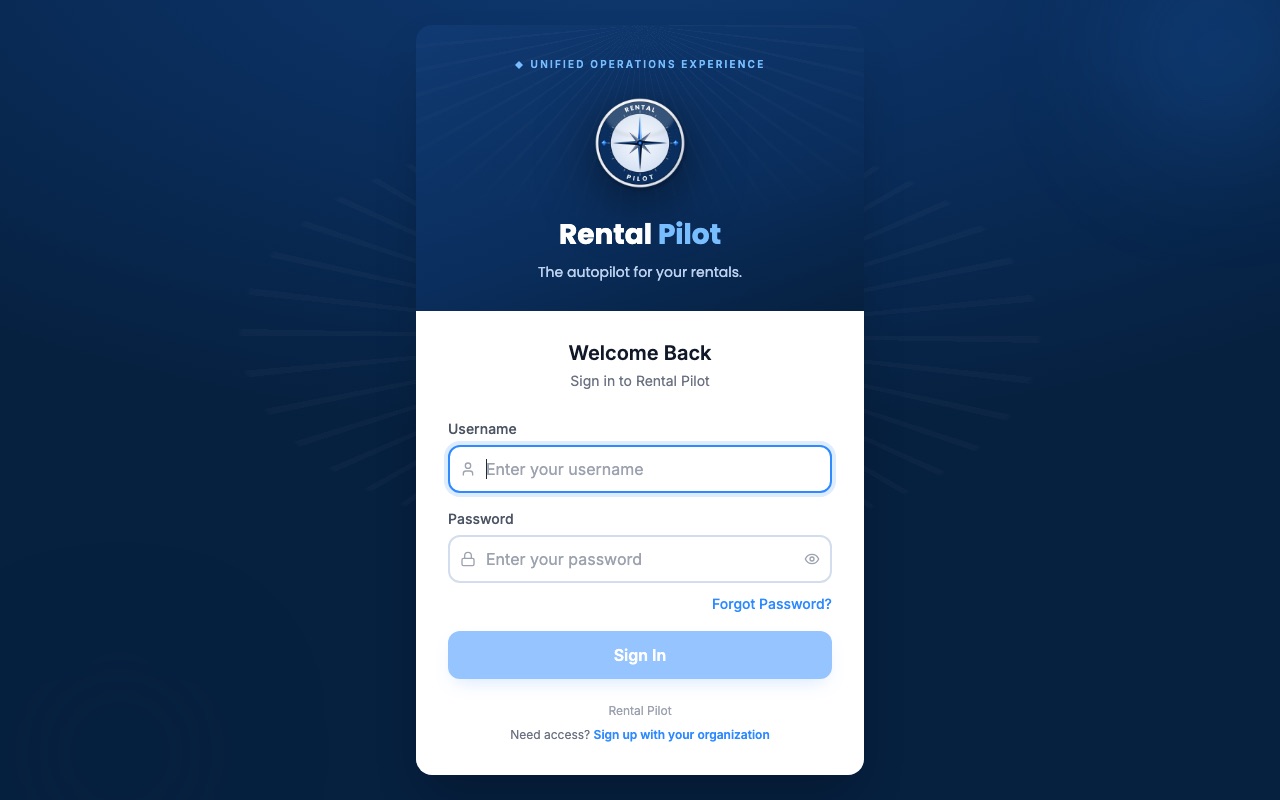
If your yard looks like ours, you may not need a custom build at all. Rental Pilot is the same system, white-labelled for other rental companies — and I can extend it to fit how you work.
Questions people ask first
Straight answers before the first call.
Should we buy rental software or have it built?
If an off-the-shelf package fits how you rent, buy it. Custom makes sense when the workarounds cost more staff time than the software saves — and Rental Pilot sits in between: a working product I can extend.
Can you move us off our current system without shutting down?
Yes. Rental Pilot itself was modernised underneath a running business — the old and new systems ran side by side, screen by screen, while thousands of agreements kept reconciling.
Does it handle bulk items, fencing and partial returns?
Yes. Bulk quantities, partial returns, swaps and replacements are everyday work in the yard it runs, not edge cases.
Do you work outside the Lower Mainland?
Yes — clients are across Canada and the US. If you are within reach I would rather come to you and watch the operation run; otherwise the work runs over calls and screen shares, the same way the systems are deployed.